I start from the constraint, not the stack
On Antragslotse the binding fact was a sentence in German social law; on ESF-Plus, an auditor asking questions in 2029. The technology followed.
How I work
So you can tell early whether I am the right shape for the role. I work best owning the outcome rather than a ticket queue.
Four things I actually do
On Antragslotse the binding fact was a sentence in German social law; on ESF-Plus, an auditor asking questions in 2029. The technology followed.
Written rules get forgotten, security rules first, so the one that matters becomes a check that runs on every change.
On ESF-Plus the audit trail was built before the feature that needed it, and what that call cost is written down beside what it bought.
The failing test is committed before the agent writes anything, and the rules that matter are build failures rather than sentences in a contributing guide. How I use agents has the commits, the rules and the parts that do not flatter me.
Two rules in ESF-Plus
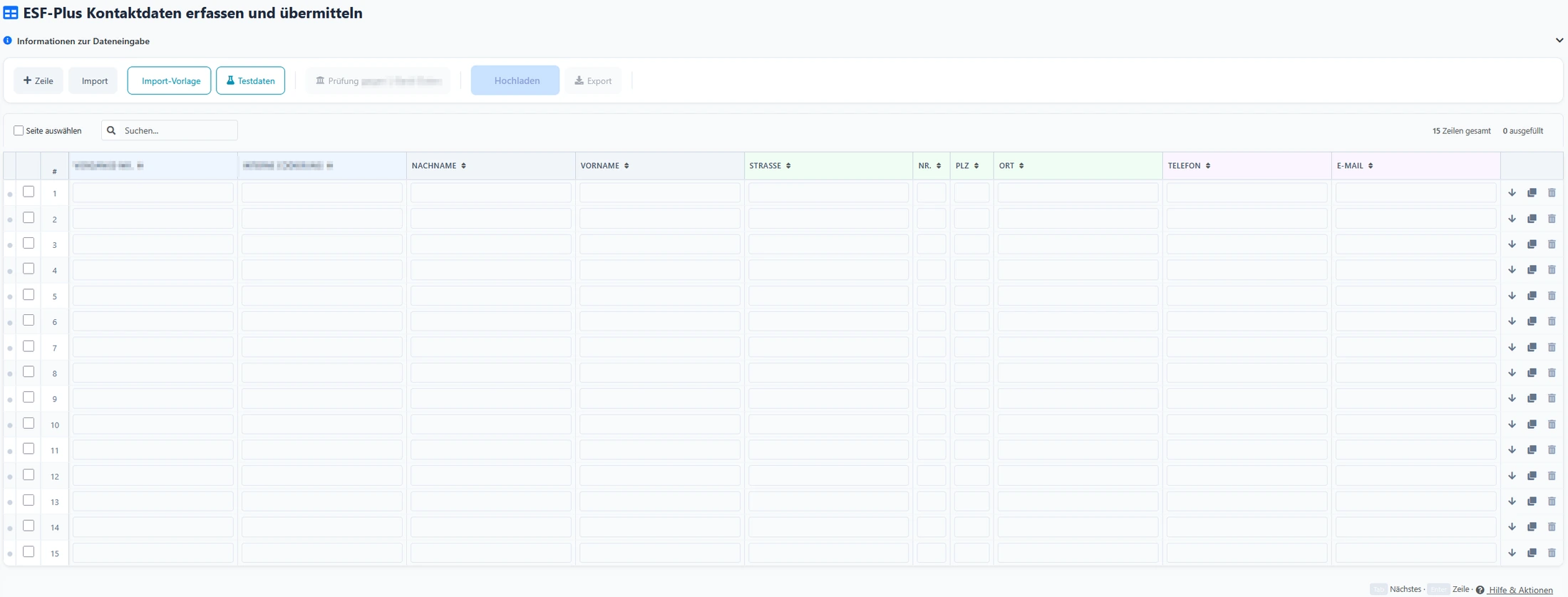
The case study has the architecture behind both.
One I got wrong
Validating an internal retrieval platform of mine, one with no users and nothing in it but my own fixtures, a fresh tenant read every other tenant's documents and conversations. The row-level security policies were correct and were never evaluated: the application connected to Postgres as a superuser, and a superuser bypasses row-level security.
The isolation tests had only ever run against SQLite, which has no such thing, so they had never exercised a policy at all. Pointed at Postgres they would have connected as that same superuser and passed anyway. A test that shares the privilege it is testing will always agree with you.
The runtime now connects as a role that cannot bypass it, migrations run as a separate principal, and every tenant-scoped table forces the policy even for its owner.
Where my evidence is strongest
Each row says what the systems on this site actually show, and where that evidence stops.
Happy to walk through any of these in detail, including the parts that went wrong.